

What Makes Planarist Unique?
In a sea of trading card games, why choose Planarist?
Game Design
At the core of the Planarist Trading Card Game is a passionate team of designers. In creating Planarist, we introduced fresh takes on proven TCG mechanics to keep the game approachable and streamlined while greatly expanding its strategic depth. Here are some areas we focused on:
Creatures Take Action
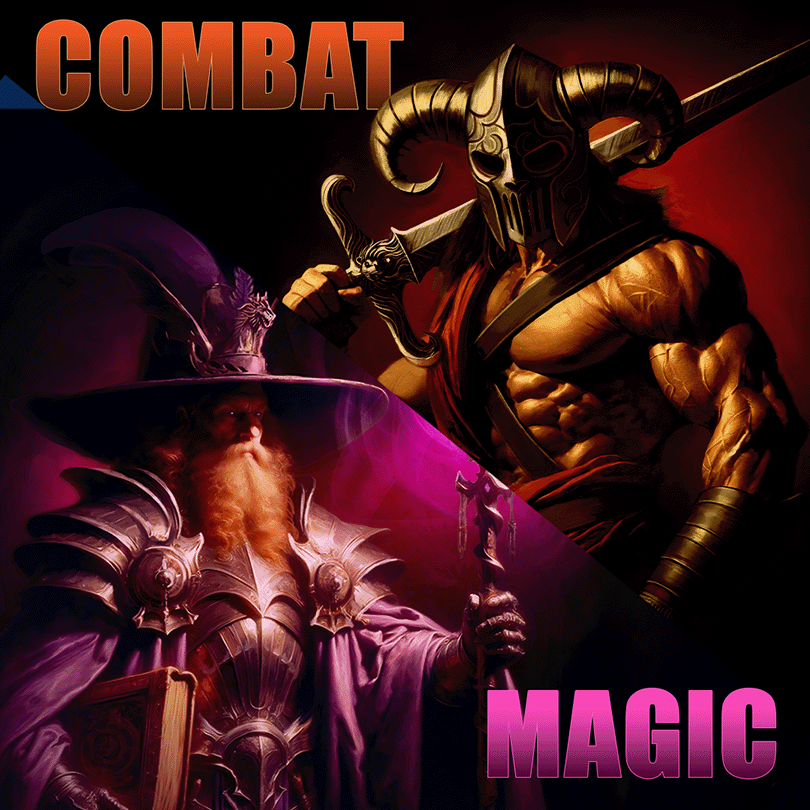
Planarist reimagines the classic idea of the player “being the wizard” who directly casts spells and summons creatures. Instead, your creatures and their commanding scion use their own abilities in concert to cast spell cards and summon new allies.
This expands the traditional role of creature power beyond dealing damage, turning it into a skill that also determines which cards a creature can play. Planarist also introduces the Magic stat, which is heavily used in this way.
Additionally, much like in popular RPGs, these skills can be tested through skill checks that compare a creature’s abilities against certain effects. Creatures with lower Magic may be far more vulnerable to mind domination and other supernatural threats.
Action Economy
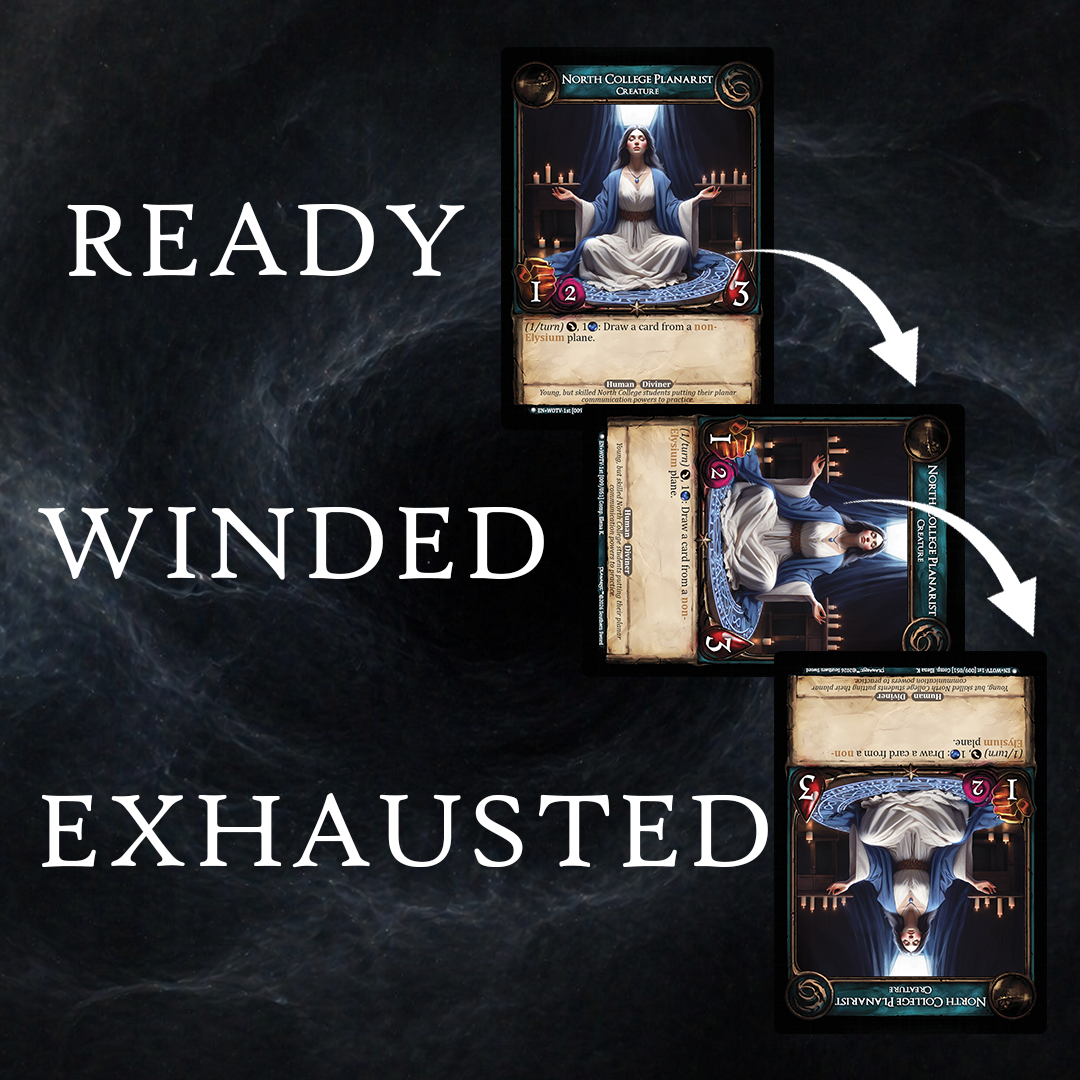
The concept of “tapping” originates from Magic: The Gathering, where a card is rotated 90 degrees to show that a creature has acted, activated an ability, or entered combat.
Planarist builds upon this iconic mechanic by giving creatures an additional tap. This extra action can be used to cast spells, summon other creatures, or activate one of their abilities a second time, creating deeper tactical choices and more dynamic turns.
Expanding the Extra Deck: The Planes
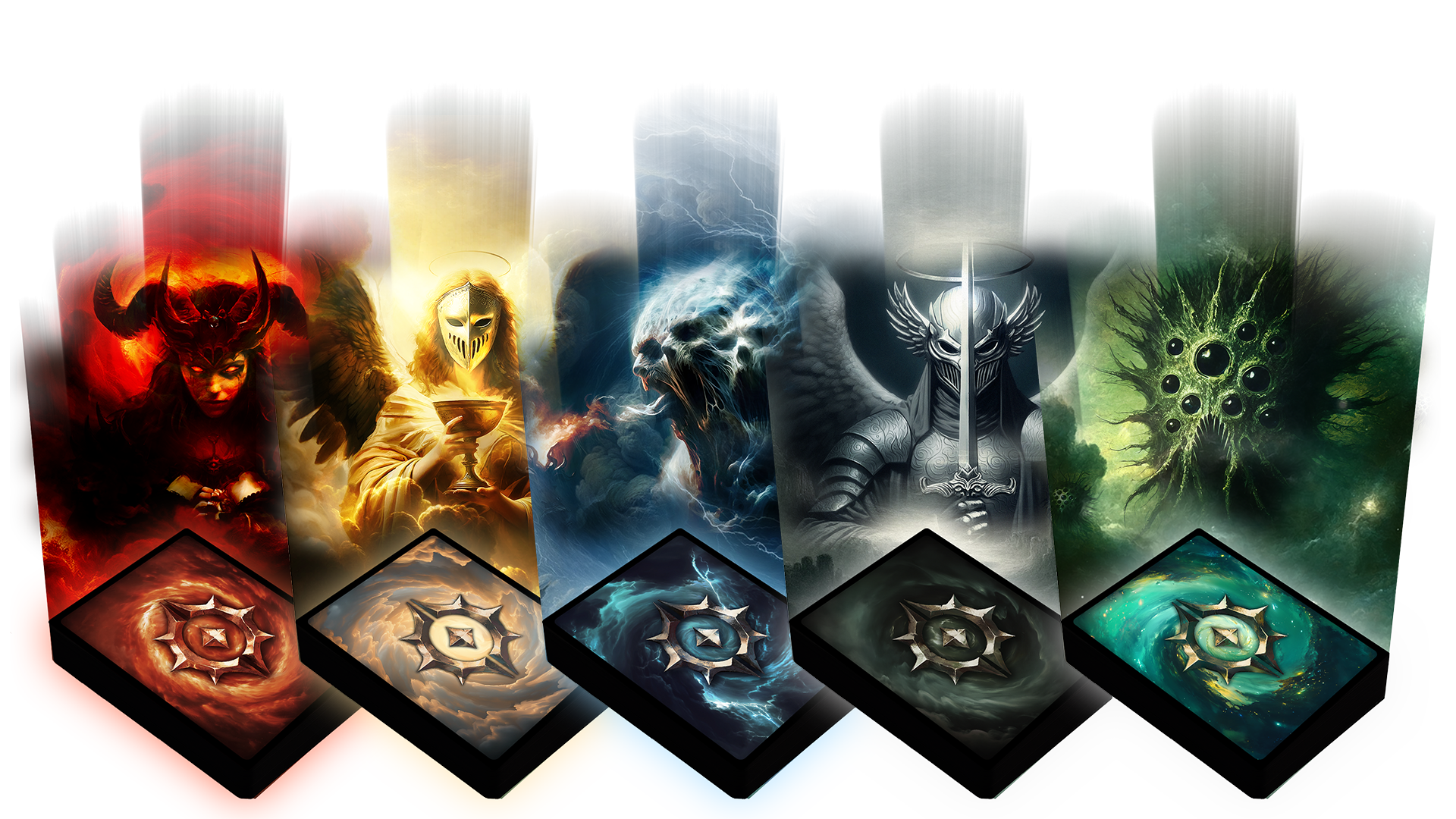
Planarist reimagines the concept of the extra deck. What was once a secondary pile of cards with little narrative meaning becomes a gateway to other dimensions, realms players access as they develop the power to reach beyond the battlefield.
The planes are mysterious worlds unlike our own. Known only to psychics, mediums, and those reckless enough to make contact, no one can know what lurking being may answer the interdimensional call.
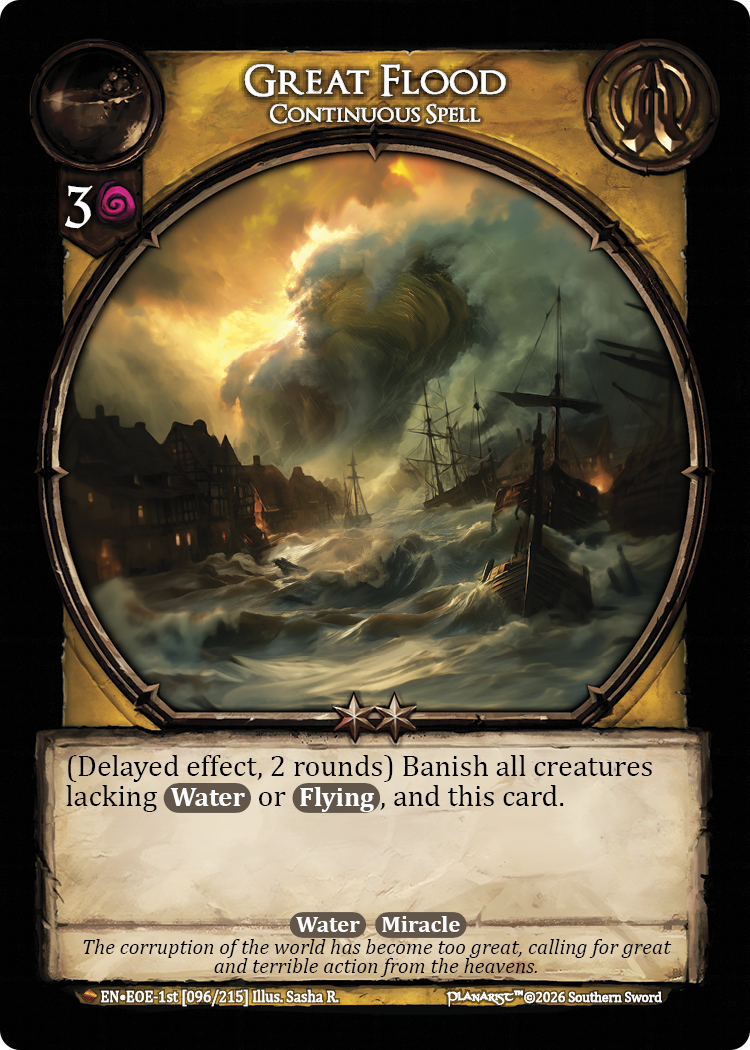
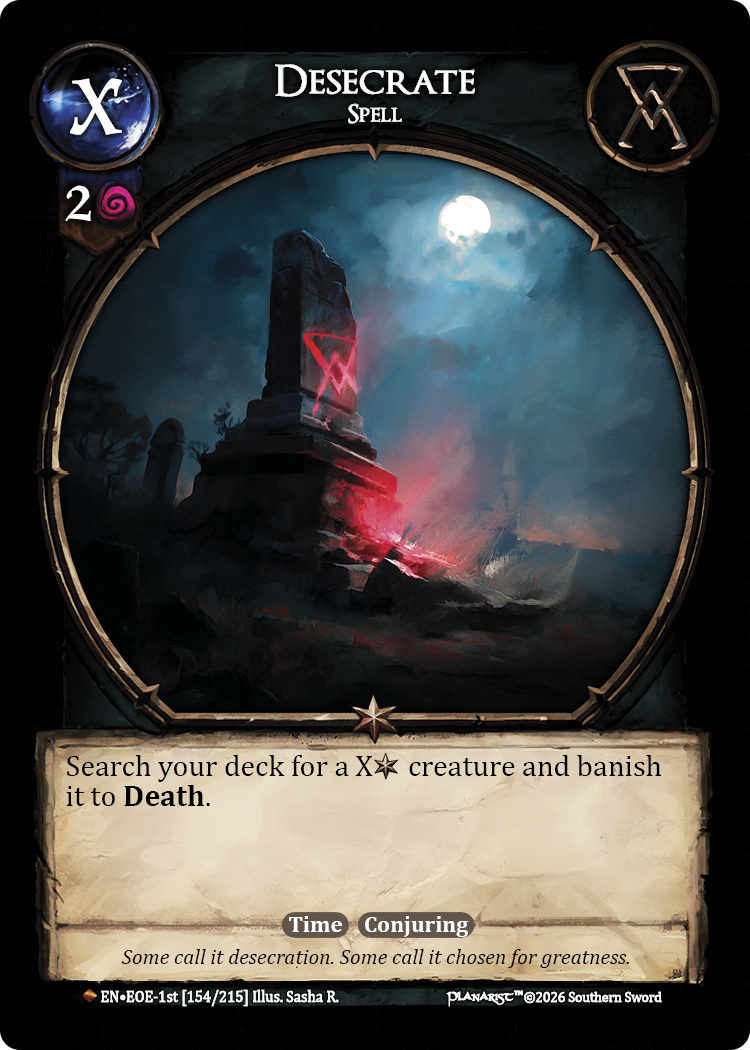
These planes are more than powerful auxiliary decks that aid the player. They also serve as the graveyards and discard piles of the game. To “exile” a creature is to cast it into a distant and unreachable plane.
The planes also function as a secondary resource system. If victory cannot be secured on the main battlefield, power may still be drawn from cards banished to dimensions beyond Death. In Planarist, the planes create an entirely new layer of strategy that reaches far beyond the field of battle.
Immersive Design
Abstraction is a necessary part of every game’s design, Planarist set out to push those limits. Through careful design choices, the team worked to make the world and mechanics feel truly alive. These are just a few examples:
The Power of Armor
Armor was one of humanity’s greatest military innovations, transforming ordinary soldiers into formidable forces on the battlefield. Many modern games portray armor as a temporary, easily broken shield. Planarist gives armor the weight it deserves by making it a permanent creature stat.
In Planarist, armor does not simply shatter or disappear. It can only be overcome through overwhelming physical force or by magical damage such as fire or lightning.
Removal as a Luxury
Removal is one of the defining necessities of any competitive trading card game deck. Yet when removal becomes instant, cheap, and effortless, it can diminish the value of true trump cards. Cards capable of slaying a dragon or instantly vaporizing a greater demon should feel like expressions of immense power.
Planarist carefully balances these effects, turning removal into a potent and uncommon luxury. Players must think carefully about when to commit such power, making each use far more meaningful.
Intuitive, Lore Based Effects
One of the guiding goals behind Planarist was to make every card feel true to its name and identity. Mechanics are designed to reflect what a card should naturally do, creating a more immersive experience.
Too often, games present abstract actions as magic spells. In Planarist, spells are meant to feel like real sorcery, incantations a true wizard might wield.
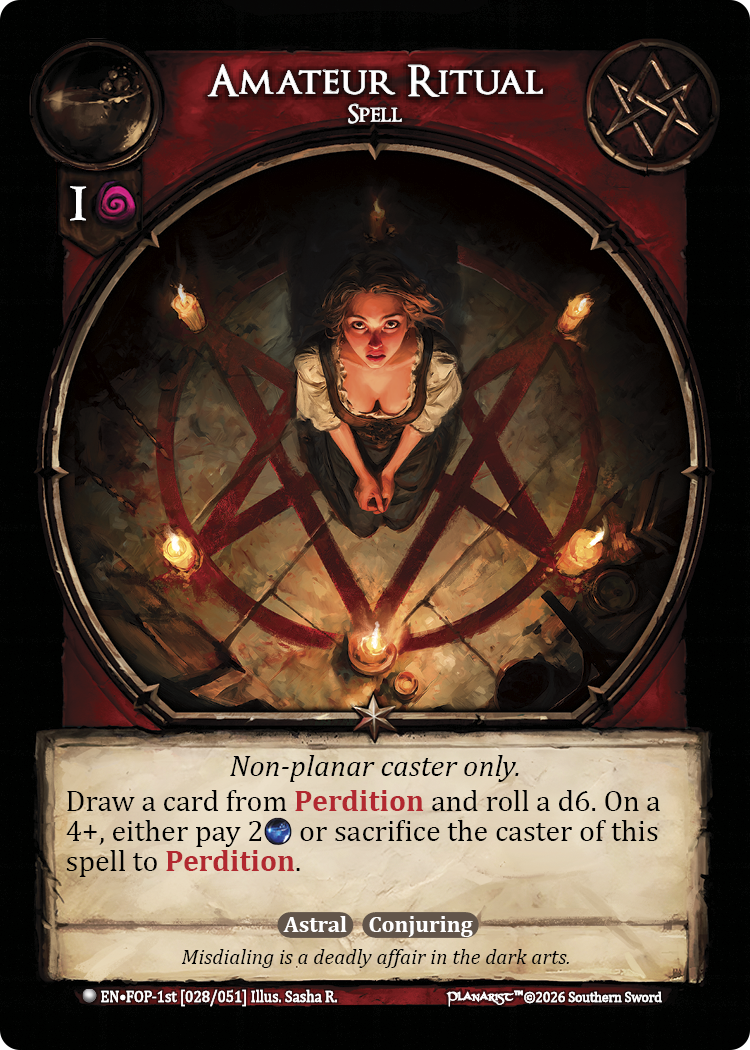
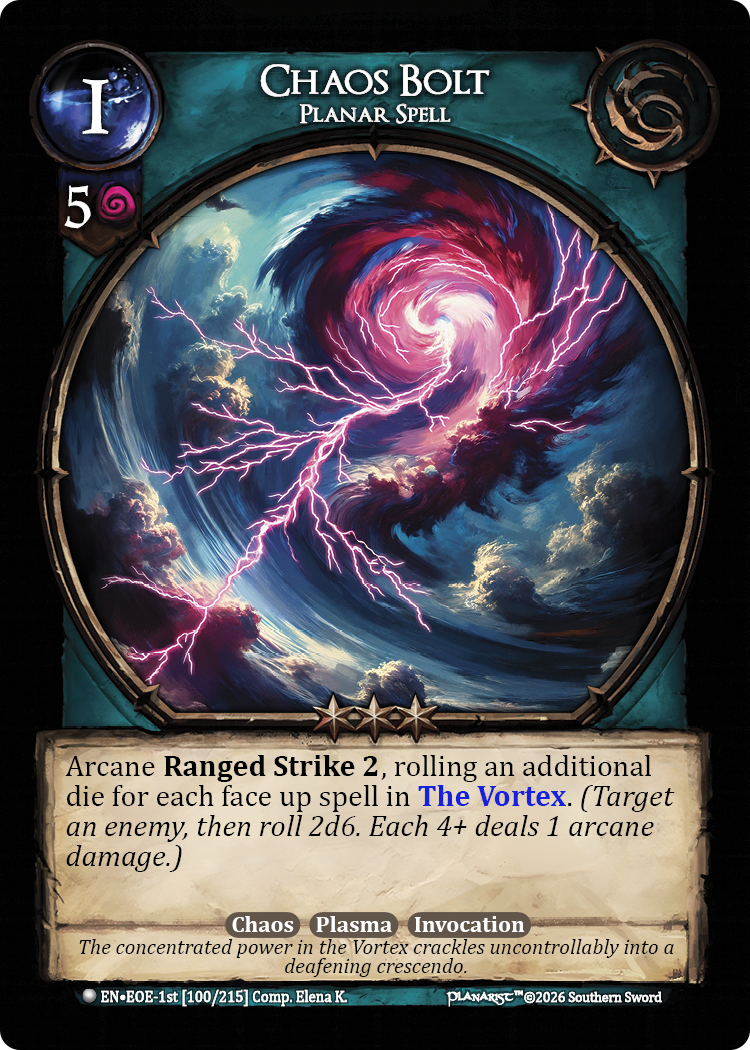
For example, “Thunderbolt” damages a target, then arcs to other armored or water-aligned enemies. “Novice Demon Caller” can draw from the Perdition plane for free, but does so through a random dice roll, reflecting her inexperience.
Boundless Deck Creativity
Games like Yu-Gi-Oh! had a major influence on the design of Planarist, and that inspiration can be felt throughout the game. In its early years, Yu-Gi-Oh! was defined by vast card combinations that created a wide range of competitively viable decks and made trading card game history. Over time, that design philosophy shifted. Rigid archetypes increasingly replaced the open-ended deckbuilding freedom that once defined the experience.
Almost every modern trading card game now wrestles with deckbuilding restrictions. Some, such as Disney Lorcana, use a simple but effective two-color deck limit. Others, like Cyberpunk TCG, explore scaling limitations tied to commander-style leaders.
Planarist moves in the opposite direction. It encourages bold experimentation and rewards creative ideas, keeping deckbuilding possibilities fresh and diverse. The game’s only color penalty is tied to action economy. When a card attempts to play another card of a different color, it must tap an additional time. This elegant system allows players to build nearly anything they can imagine.

Thematic Cosmic Horror

The modern era has been shaped by bright colors, cartoon mascots, and endlessly revived legacy franchises. Games once rooted in the mythic realism of traditional fantasy have often been transformed by these artistic trends to a near unrecognizable form. Against that backdrop, Planarist stands apart from the crowd of trading card games.
Planarist offers players a mature, supernatural world haunted by existential horrors beyond space and time. As its lore unfolds, it becomes increasingly clear how little mortals understand the realms beyond their own. Phaser sorcerers who have stepped foot into those worlds return mute and broken, unable to describe what they have seen. Scholars who draw too near the truth are consumed by the ravenous maws of soul-drinking celestials.
Horror has been one of the fastest-growing genres in global entertainment for years. It deserves a trading card game that can do justice to the weight of its themes while remaining accessible and exciting for a wide audience.